
Laser Marking on Metal for Industrial Applications
Laser Marking on Metal for Industrial Identification and Traceability
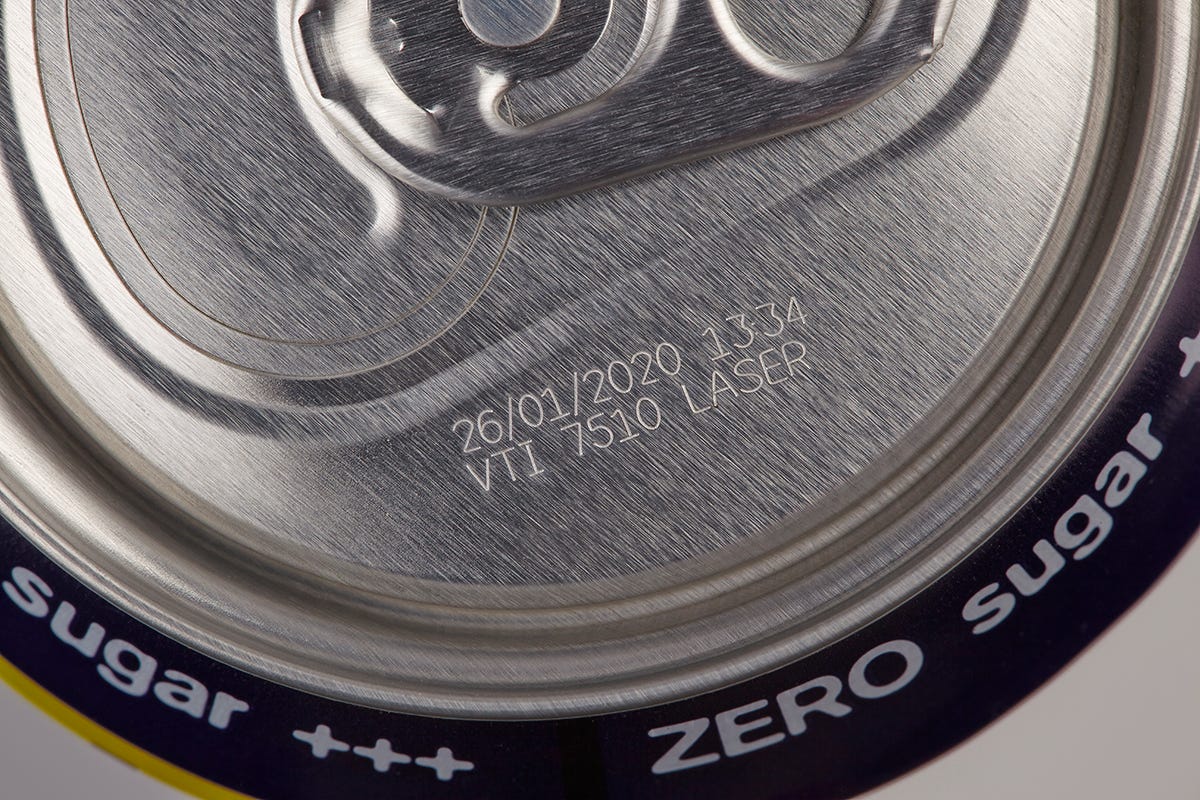
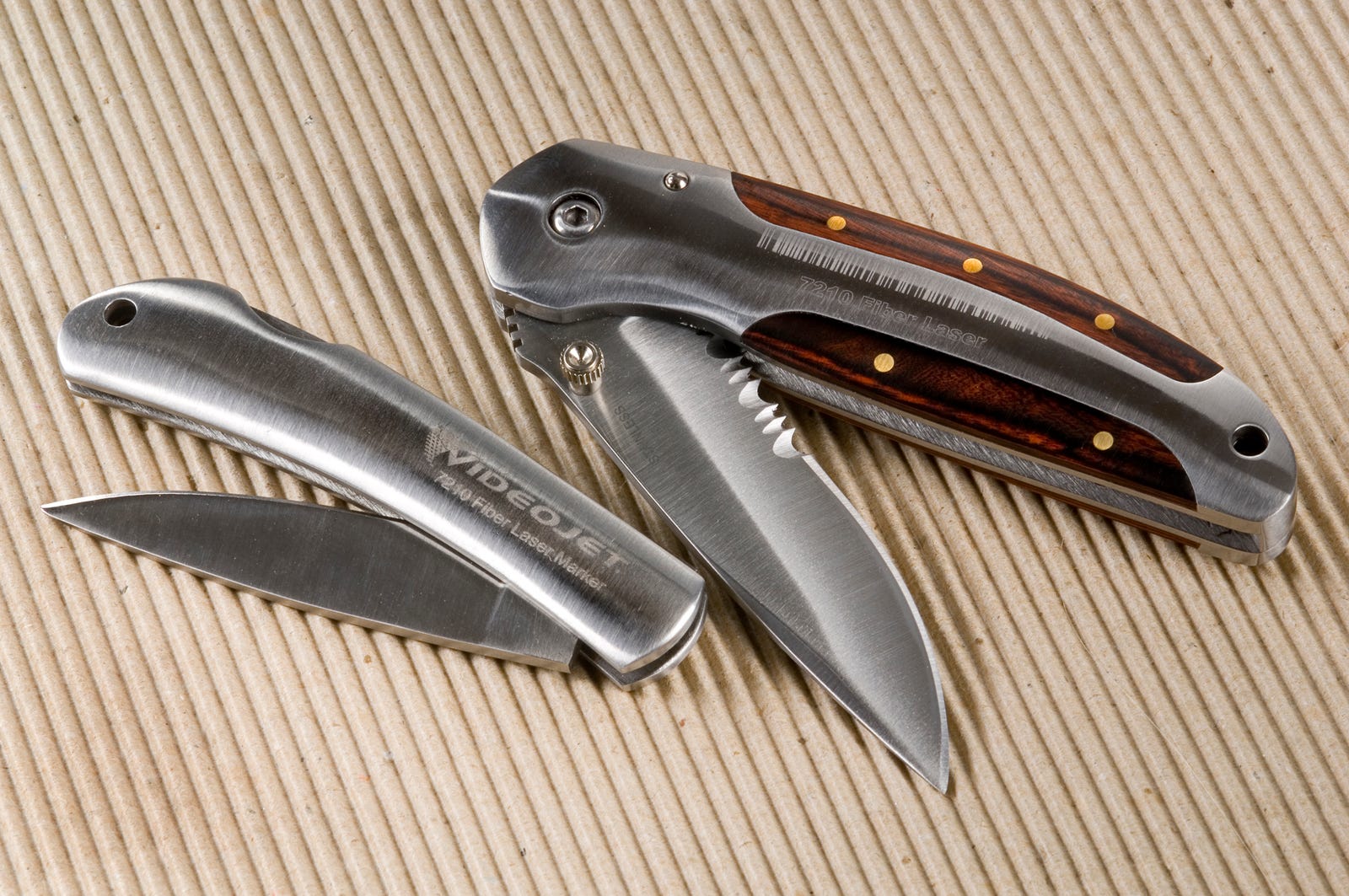
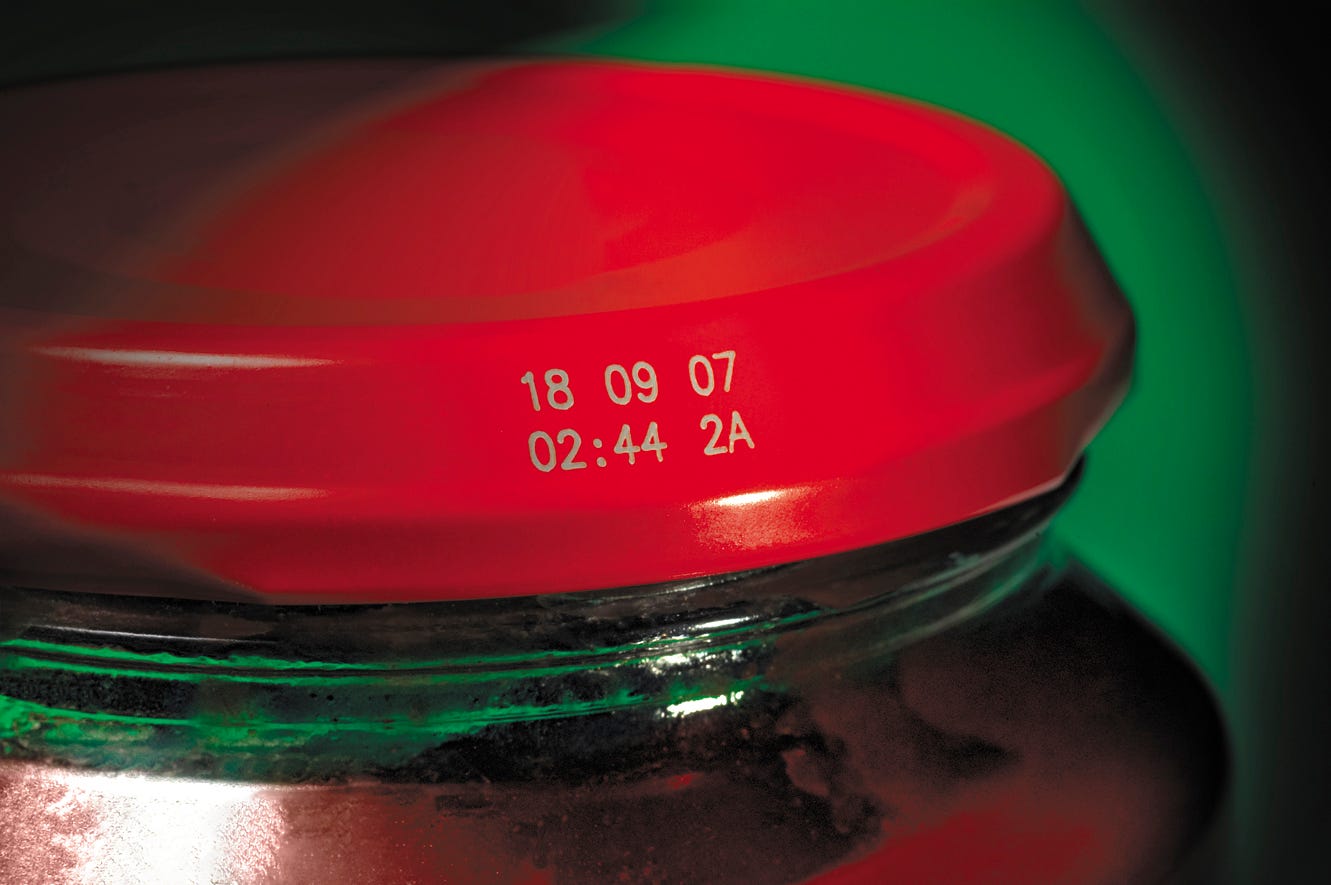
Laser marking on metal is a permanent identification process used in industrial manufacturing to apply serial numbers, data matrix codes, logos, and regulatory markings directly onto metal surfaces. Unlike traditional ink-based printing, laser technology modifies the metal surface itself, ensuring high-contrast, durable codes that resist heat, abrasion, and chemical exposure.
Whether marking automotive components, aerospace parts, medical devices, metal sheets, cans, lids, or industrial plates, precision and permanence are critical. Videojet fiber laser systems support engraving, etching, annealing, and ablation processes to deliver consistent, high-resolution laser printing on metal across demanding production environments.
What Is Laser Marking on Metal?
Laser marking on metal is a permanent identification process that uses a focused laser beam to engrave, etch, anneal, or ablate markings directly onto metal surfaces. Unlike ink-based printing, the laser modifies the material itself, creating high-contrast, durable codes that resist heat, abrasion, and chemical exposure.
Because the mark becomes part of the metal surface, it cannot be removed without physically altering the material, making it ideal for regulated industries that require secure traceability and product authentication.
Laser marking systems operate without inks, solvents, or consumables, offering a clean, low-maintenance, and environmentally friendly solution for industrial production.
What Types of Markings Can Be Achieved with Laser Printing on Metal?
Laser printing on metal supports a wide range of permanent identification applications, including:
- Serial numbers and part numbers
- Barcodes and 2D codes (QR codes and DataMatrix codes)
- Logos and branding elements
- Expiry dates and lot numbers
- VIN codes and Direct Part Marking (DPM)
- Regulatory and compliance markings
These permanent laser markings enhance traceability, enable automated quality control scanning, and ensure compliance with automotive, aerospace, medical, and industrial manufacturing standards.
Fiber Laser Systems for Metal Marking
Fiber laser marking systems are the preferred technology for high-speed, high-precision marking on metal parts. Using a 1064 nm wavelength, fiber lasers generate concentrated energy that produces clean, detailed marks on materials such as stainless steel, aluminum, brass, titanium, and coated metals.
Compared to many traditional gas lasers, fiber lasers offer:
- Compact system design
- High peak power with nanosecond pulse control
- Faster marking speeds
- Reduced maintenance requirements
- Long operational life
These advantages make fiber lasers ideal for Direct Part Marking (DPM) and permanent identification in demanding UAE production environments.
Why Choose Videojet Fiber Lasers for Marking on Metal?
Videojet fiber laser systems are engineered for industrial reliability and precision:
- Superior marking quality on stainless steel, aluminum, and engineered metals
- Power options from 10W to 100W to match production requirements
- Ultra-fast marking speeds of up to 2,000 characters per second
- Permanent, high-contrast markings without consumables
- Designed for seamless integration into automated production lines
Request a metal marking sample or speak with a product specialist to determine the right fiber laser solution for your application.
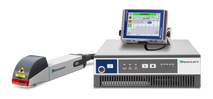
Laser marking systems
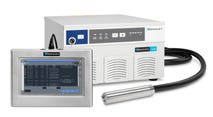
Videojet 7340/7440
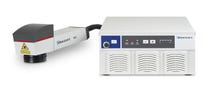
Laser marking systems
Videojet 7230/7330
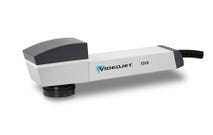
Laser marking systems
Videojet 7610
Laser marking systems
Videojet 7510
Applications: Laser Marking on Different Metal Types
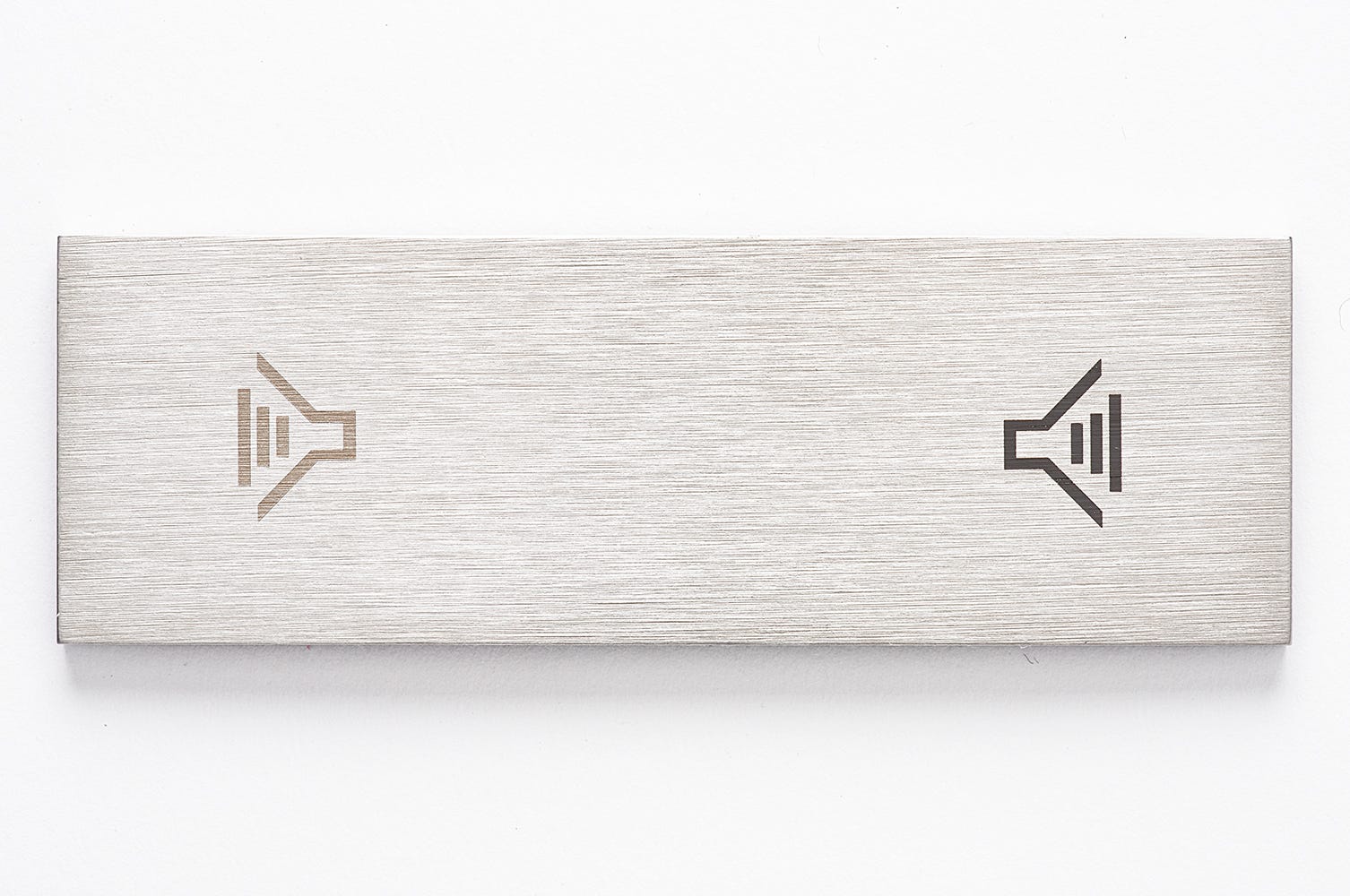
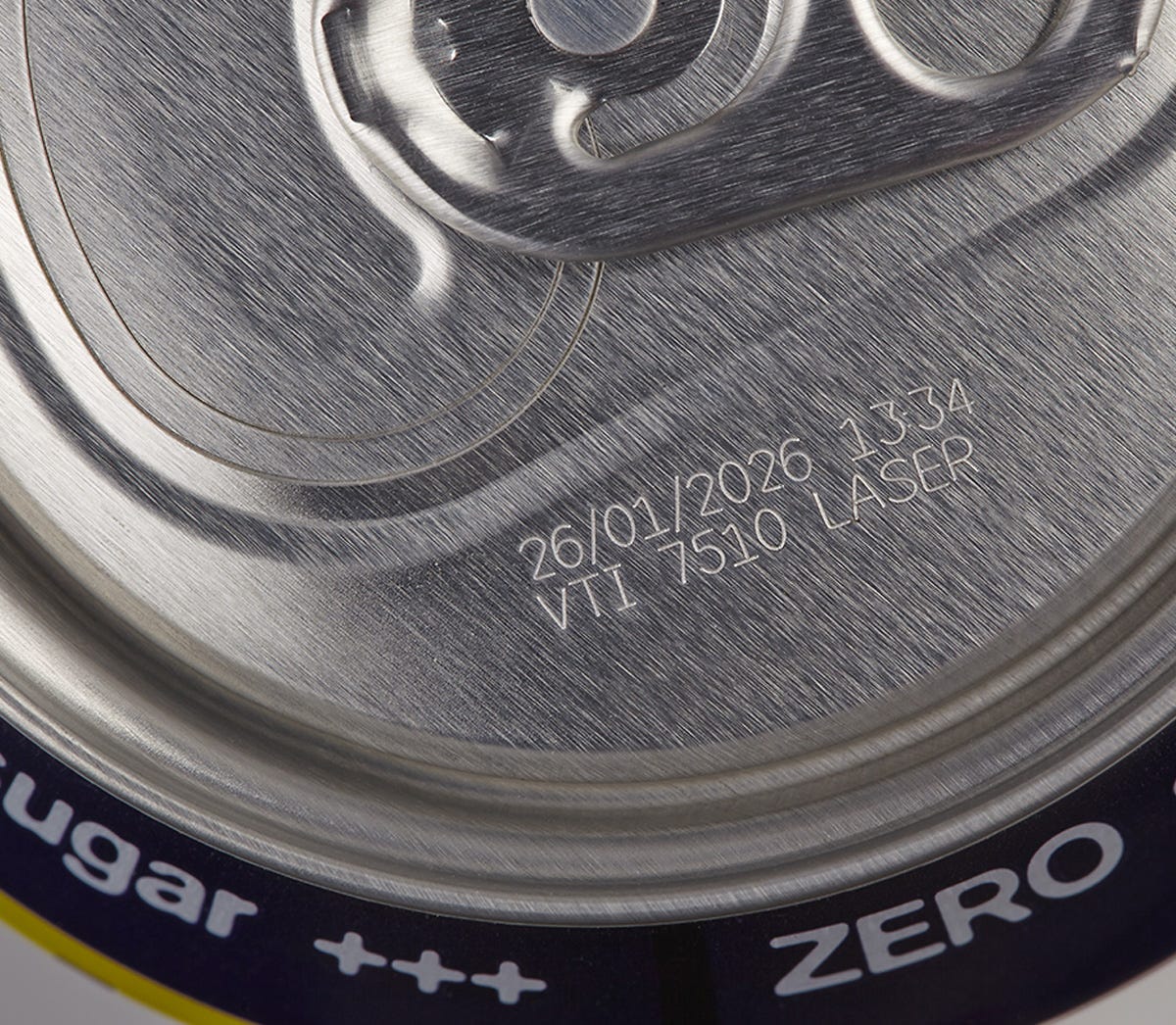
Fiber lasers are capable of marking most metal surfaces at high speeds. Ideal for harsh environments, they operate without inks or additional consumables, ensuring a clean process while delivering long-lasting, high-quality codes.
Stainless Steel
Fiber lasers are highly effective for marking on stainless steel. Different techniques include:
- Engraving – Removes deep layers of material
- Ablation – Removes the top layer of painted stainless steel
- Color Change – Alters the surface through a chemical reaction
Aluminum
Since aluminum is less dense than stainless steel, it can be marked with lasers as low as 20W (e.g., Videojet 7330 & 7340). Higher-powered lasers, such as the Videojet 7440 (30W), 7510 (50W), and 7610 (100W), provide deeper engravings and faster processing speeds.
Copper
Copper is less dense than stainless steel, but etching requires a minimum of 30W power (e.g., Videojet 7440).
FAQs on Laser Marking & Printing on Metal
• Permanent and high-contrast markings
• No consumables required (no ink or chemicals)
• Eco-friendly and cost-efficient
• Supports product traceability and anti-counterfeiting
• Complies with industry regulations
Feature Laser Marking Inkjet Printing
Durability Permanent Can fade over time
Consumables None Requires ink
Speed High-speed High-speed
Eco-Friendly Yes No
Maintenance Low Regular maintenance required
Automotive – VIN codes, part numbers
Aerospace – Component tracking
Medical & Pharma – Surgical tools, implants
Food & Beverage – Packaging expiration dates
Manufacturing – Metal tools, hardware
No, laser markings on metal are permanent and cannot be removed without physically altering the surface.
For most industrial metal marking applications, fiber lasers are the best choice due to their high efficiency, speed, and durability. Videojet offers 10W-100W fiber lasers to fit various production needs.


